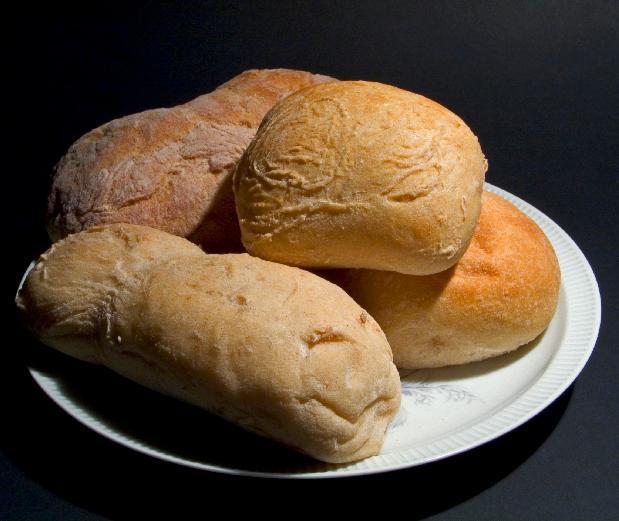
How to Freeze Bread Properly


In many households, bread is a food that cannot be left off the table, something that is almost sacred and present at all meals. That is why many of us buy bread every day as we do want to eat it when it's hard, but what happens if one day we have leftover bread? Although there are many alternatives for taking advantage of stale bread, there is also the possibility of freezing it for some other day when we are running short. Therefore, at OneHowTo we'll explain some tips on how to freeze bread properly.
Steps to follow:
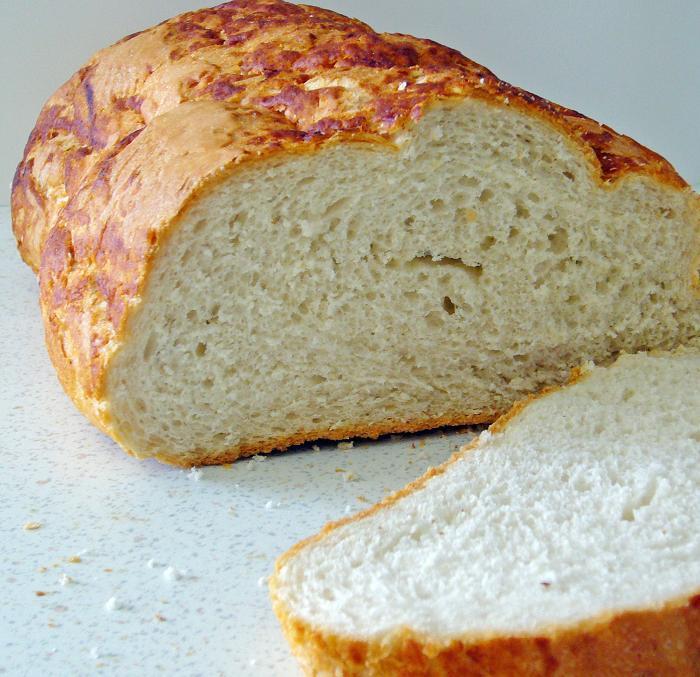
Firstly, we should point out that you can freeze any type of bread: baguettes, rolls, loaves, whole grain, etc. You only need to follow some recommendations so that it is in top condition when it is defrosted. The first thing that should be taken into account is that the bread should be frozen while still fresh, that is, we cannot let it harden because the result will be terrible.
It should be noted that freezing bread while it's still fresh helps retain its original flavor and texture. According to food preservation experts, the optimal time to freeze bread is within 24 hours of baking. This ensures that the bread remains as close as possible to its freshly baked state when you eventually decide to defrost and consume it.

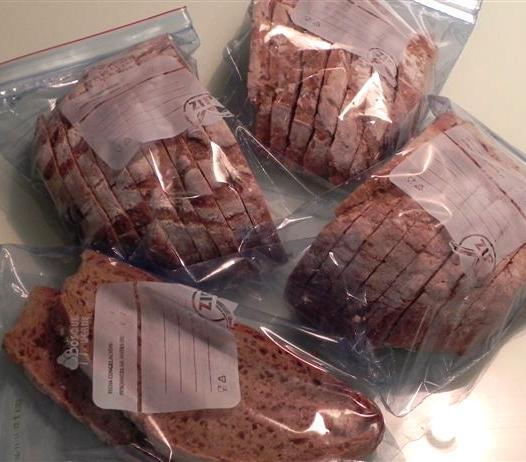
To freeze bread properly, we also recommend cutting up the bread before freezing it as you will save space in your freezer and it will also be much more practical when defrosting it to be eaten. If you have stored the bread in small pieces, you can then just take out the amount you need and will not be forced to use more bread than intended.
Moreover, slicing the bread before freezing can help it defrost more evenly. This method also allows for greater versatility, as individual slices can be quickly thawed in a toaster or microwave, making it convenient for a quick breakfast or snack. This practice is backed by culinary experts who emphasize the benefits of managing portions effectively.

Before putting the bread in the freezer, it is also a good idea to put it in a plastic bag that is suitable for freezing or to wrap it in tin foil. In this way, you avoid acquiring the taste of other foods that you have frozen or the bread coming into contact with the frost that many appliances generate. Also, it's recommendable to write down the date that you freeze the bread in order to first consume the one that has spent most time in the freezer.
Using airtight packaging is crucial as it prevents freezer burn, which can negatively affect both the texture and taste of the bread. It has been observed that double wrapping – using both plastic wrap and aluminum foil – provides an extra layer of protection against moisture loss and flavor absorption from other foods stored nearby. Such techniques are widely recommended by food storage specialists.

When defrosting bread, just remove it from the freezer about two hours before eating it or use the microwave to defrost it. It is also possible to toast frozen bread straightaway, especially when it is in a loaf, although you shouldn't use an oven because it will dry out the bread and cause it to go hard.
A great trick to make defrosted bread taste better and more tender, which is directly imported from the Catalan culture, is to cut a tomato in half and rub the pulp side on the loaf of bread you have defrosted. This will make the bread more soft and tasty too!
In addition, some culinary experts suggest misting the bread lightly with water before reheating. This can help reintroduce moisture that may have been lost during the freezing process. For those looking to add a unique flavor twist, experimenting with different toppings like olive oil and herbs can turn a basic loaf into a gourmet delight. These small enhancements can significantly elevate the bread-eating experience.

If you want to read similar articles to How to Freeze Bread Properly, we recommend you visit our Food & drink category.