How to Use Silicone Molds

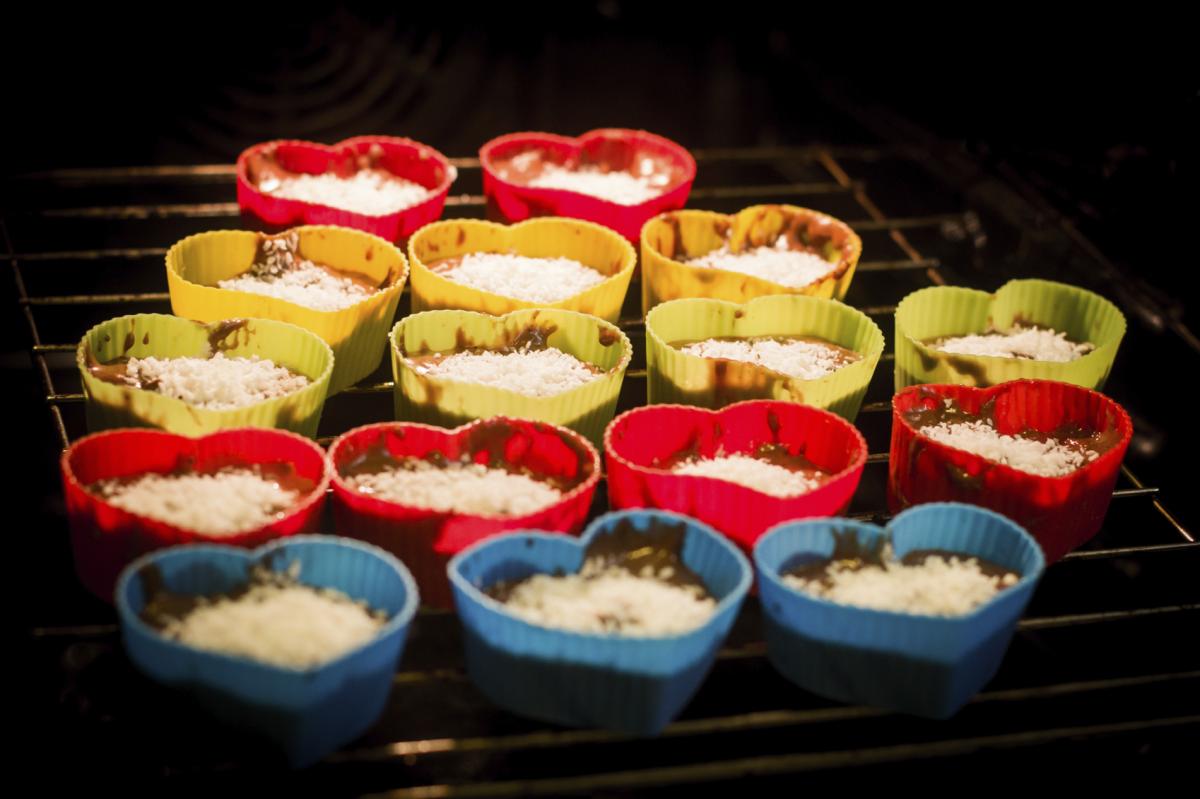
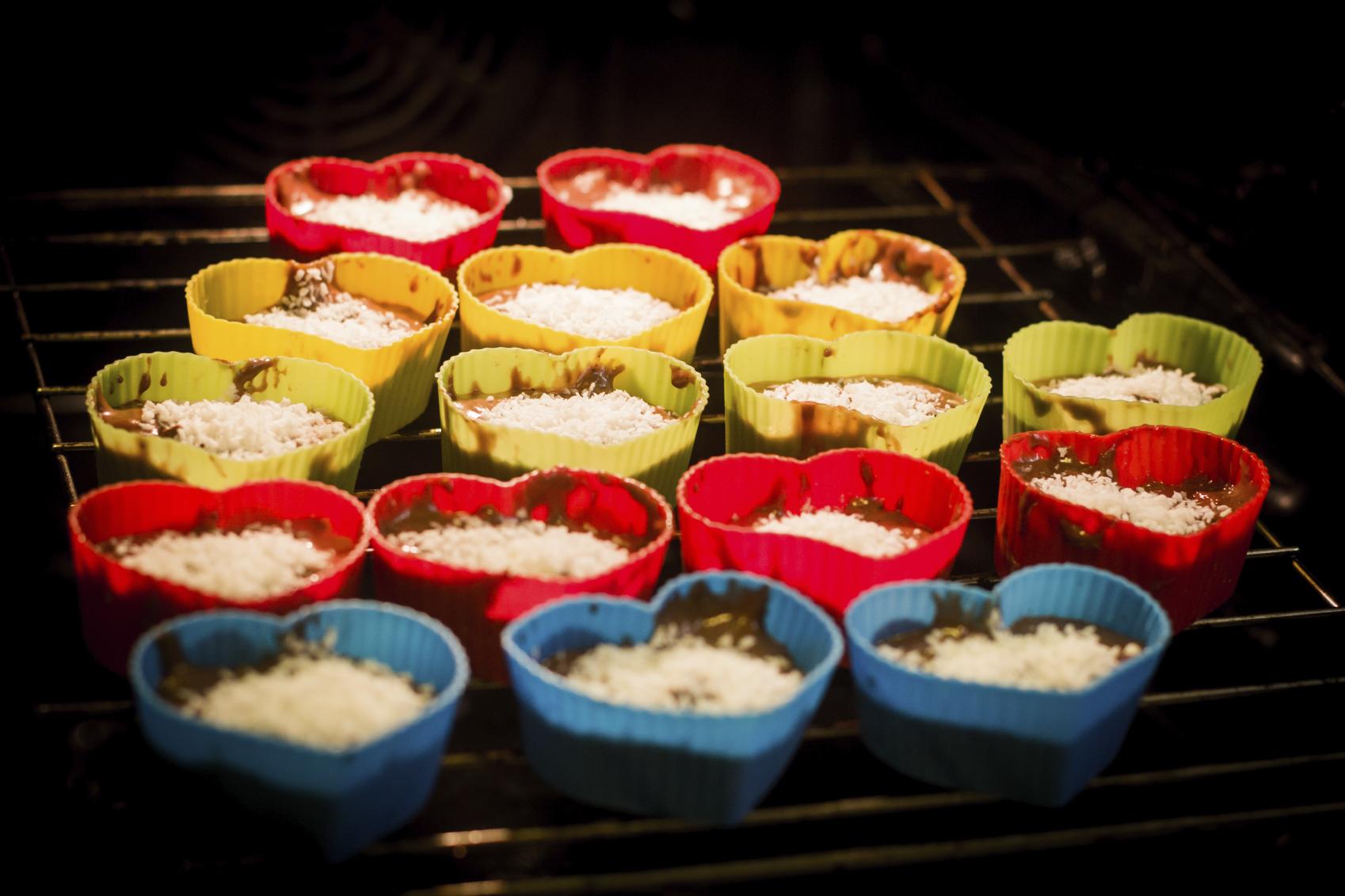
Silicone molds have recently made entry into the baking industry, and people have easily become their fans. They are flexible, non-stick, inexpensive, and colorful. They are microwaveable, dishwasher, and freezer safe too. They can be easily used to make muffins, cupcakes, chocolates, etc. In this OneHowTo.com article, we are going to discuss about how to use silicone molds for different purposes.
Benefits of using silicone molds
Usually, very little oiling or greasing is required when you use silicone molds. These molds heat up quickly, and the food is baked evenly without any dark or burnt edges. Removing the food from the molds is very easy. You just need to twist the mold slightly, gently pull on the sides, and roll out the food you just prepared. These molds do not stain or rust, and cleaning them up is super easy too. They are light in weight, so that they are easy to carry around and store. Additionally, their durability means they can be used repeatedly without degrading in quality. Another advantage is their versatility, as they can be used for a wide variety of cooking and baking applications beyond just desserts, such as savory quiches and meatloaf.
Making chocolates
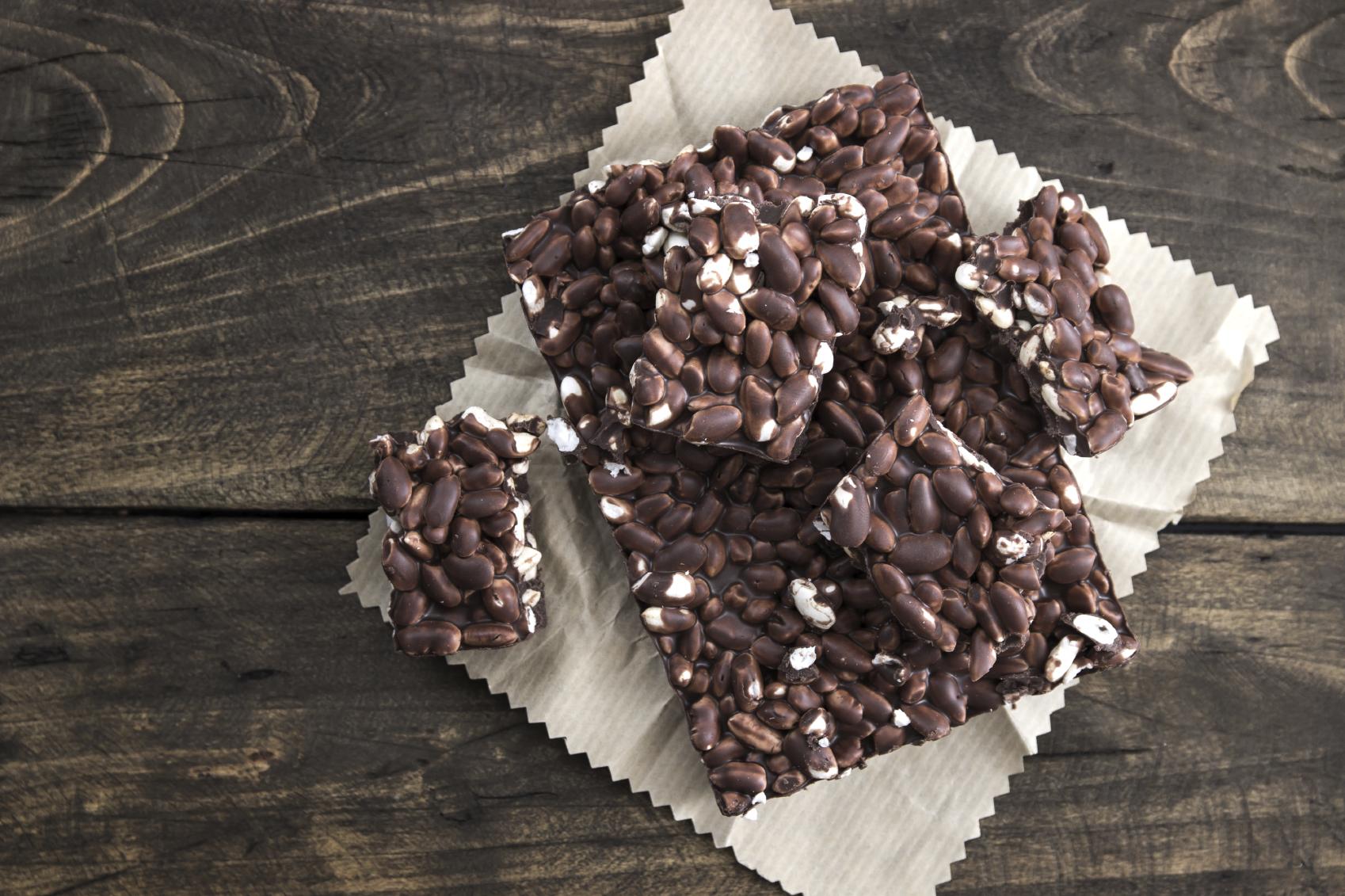
To use silicone molds for chocolate, start by oiling the molds completely. Make sure that every hook and corner of the mold has been covered with oil, for which you can use a small toothbrush or pastry brush. If it is a simple, deep mold and you are using it for a cold set recipe, then you may need to line it with a cling film first. The cooking chocolate that you use should be specifically designed for cooling and melting. Chocolate bars do not set properly because of high sugar content in them. It is crucial to tap the mold on a worktop to ensure that all air bubbles are removed while filling. Set in a freezer, as removing the chocolate will become easier with this. Moreover, using silicone molds can help achieve creative shapes and designs, enhancing the presentation of your chocolates.

Making cakes
Grease butter in the mold, making sure that all the hooks and corners have been covered. Dust the mold with flour, cocoa powder, or caster sugar, depending on the recipe you are making. Once you have baked the cake, let it cool down before removing it from the mold. If it is a soft and crumbly cake, you may even need to freeze it before removing. This step helps in maintaining the shape and texture of the cake, especially for intricate designs. Additionally, silicone molds can be used to create multi-layered cakes with ease, allowing for more complex baking projects.
Making fondant
Before filling the mold, lightly grease it and dust it with some icing sugar. If your mold has an intricate pattern, let it settle properly in the freezer allowing it to become firm and nice. Then gently press the mold and let the fondant pop out with ease. Before releasing, it is better to make the edges loose with your hand. Fondant decorations can greatly enhance the appearance of cakes and pastries, and using silicone molds can simplify the process of creating detailed edible art. This method is particularly useful for creating themed decorations for special occasions like birthdays and weddings.
Making bread or pastry
Making bread or pastry in silicone molds does not require any lining or greasing. Just fill the mold with your ingredients, let it settle, and remove. This simplicity makes silicone molds an excellent choice for novice bakers looking to experiment without the hassle of extensive preparation. Furthermore, silicone molds can be used for both sweet and savory pastries, offering a wide range of culinary possibilities. Whether it's a classic French baguette or a flaky croissant, silicone molds can enhance your baking experience.
Making marshmallow
To make marshmallows, molds should be oiled before filling, ensuring that every hook and corner has been covered. Dust lightly with cornflour, and then tap to remove any excess before you pour in the ingredients. This method helps in achieving a smooth texture and prevents sticking, ensuring marshmallows retain their shape. Additionally, using silicone molds allows for creative shapes, adding a fun element to homemade marshmallows that can be personalized for different events or themes.

Making jelly
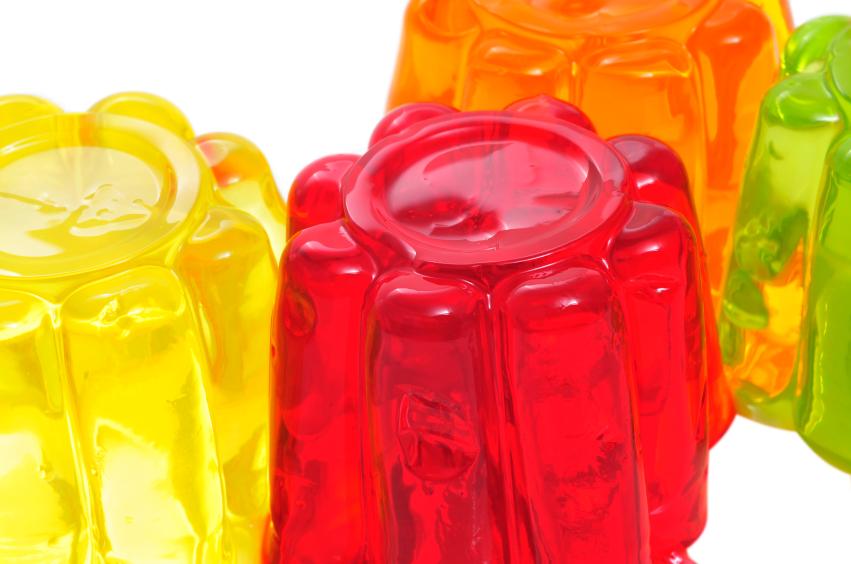
No lining or greasing is required while making jelly in silicone molds. It is recommended to set the jelly in a freezer, and remove from the molds only when they are frozen. You can leave them in the refrigerator overnight to allow any ice crystals to melt down. This technique ensures that the jelly maintains its structure and appearance. Additionally, silicone molds can be used to create stunning jelly desserts with intricate designs, making your creations not only tasty but visually appealing. This is particularly beneficial for festive occasions or dinner parties where presentation is key.

If you want to read similar articles to How to Use Silicone Molds, we recommend you visit our Food & drink category.
- Silicone Baking Sheet with Rim (Tupperware)
- Instructions for Use: Omnia Silicone Molds (Koala Marketing Company AB)