How to Tell If a Santa Claus Melon Is Ripe

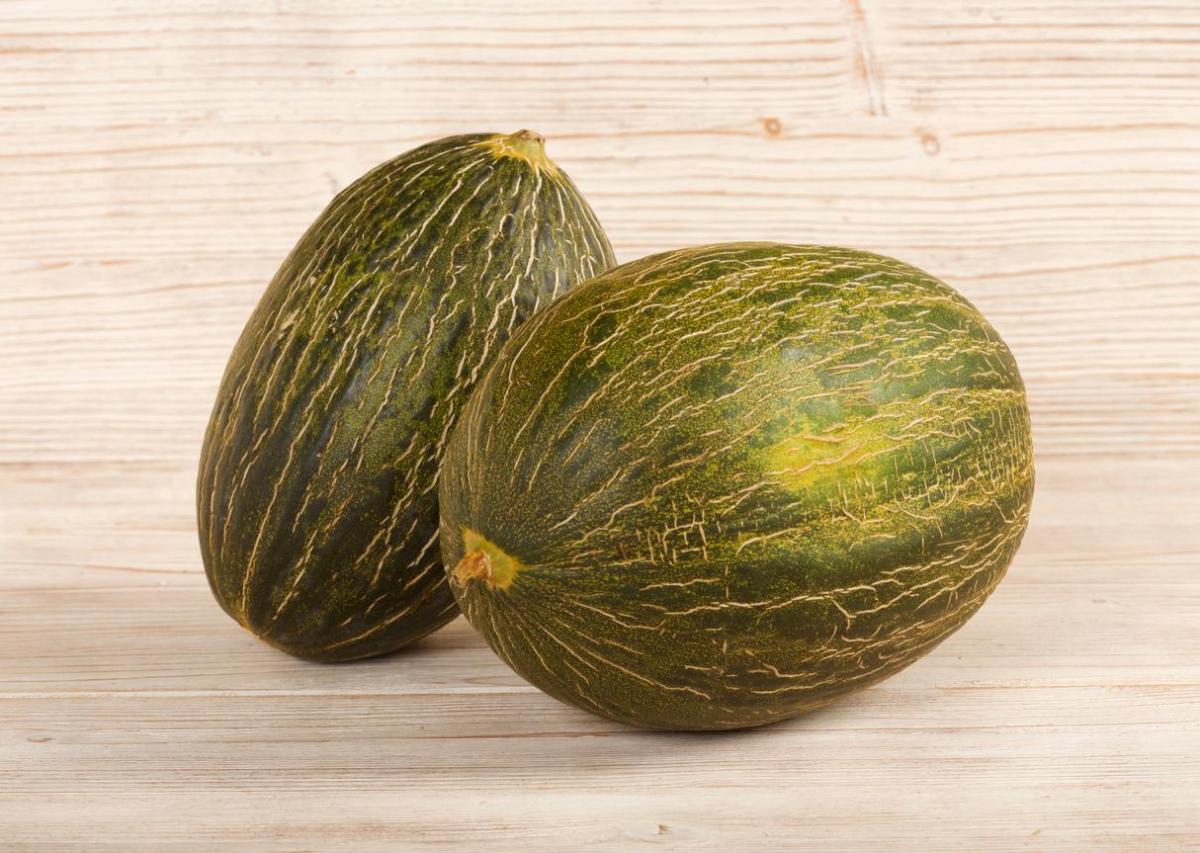
Whether you have an upcoming dinner party or simply want a refreshing piece of fruit, choosing a ripe melon is key. If you choose incorrectly, your plans can go out the window. Santa Claus melons, otherwise known as Christmas melon or piel de sapo (toad skin melon), are some of the most delicious fruits you can buy. They are not only refreshing, but they are high in nutritional value, especially fiber. They can be used in both sweet and savory dishes, but you will want a good melon that is right for your needs. This is why oneHOWTO explains how to tell if a Santa Claus melon is ripe.
Santa Claus melon rind
One of the tricky things about choosing a whole melon is that we are unable to see the flesh below the rind. This is not always the case as Santa Claus melons are often sold in sections. However, if we are tasked with telling if a whole Santa Claus melon is ripe, we can look at the rind and find some keys.
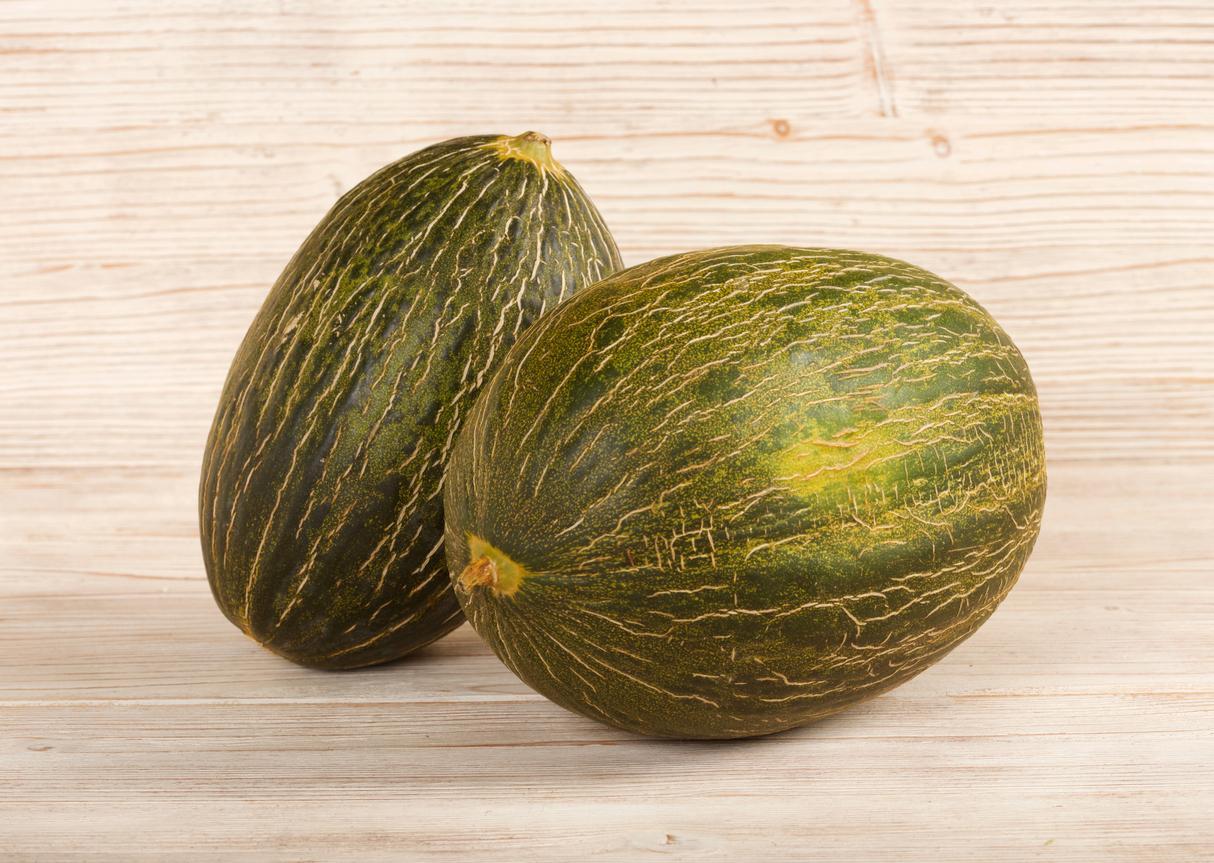
When underripe, a Santa Claus melon will be very green with fewer streaks in the skin. When ripe, these streaks become visible and well-marked. The streaks are indicators of sugar in the fruit below the rind. Since the presence of more sugar in the fruit means it is ripe, these streaks are a good sign.
Another factor of rind ripeness in piel de sapo melons is the color. Underripe melons will be a uniform green color with little streaks. As the melon ripens, it will become more yellow. Yellow patches will appear on the areas where the Santa Claus melon touches the ground. If it becomes yellow all over, this will mean it is turning overripe, although some like their melons like this.
It's also important to note that a fully ripe melon will have a slight give when you press gently against the rind. This softness indicates that the fruit is juicy and ready to be enjoyed. However, excessive softness might suggest an overripe melon.
The weight of the melon
One of the tricks to choose a good Santa Claus melon is its weight. The weight of the melon in relation to its size can tell whether it is ripe or not. However, this is only good when comparing melons. If you are choosing between two melons of the same size, the heavier one will be the ripest. Place the melons on weighing scales to see and choose the one which suits you best (i.e. whether you want to eat it now or in a few days).
Furthermore, a heavier melon typically signifies that it is packed with juice, which is an indicator of ripeness. A lighter melon may still need some time to mature. This method, combined with other ripeness indicators, can help ensure you select the best fruit.

The melon stalk
Where the melon stalk is cut from the fruit itself can help us to tell whether a Santa Claus melon is ripe. If we look at the skin on the circular area where the stalk has been removed, we can see it will be varying shades of green or yellow. The more yellow the stalk area is, the riper the melon will be. Some people make a claim that this can help you tell if the melon is male or female, but this is just a legend.
In addition to color, the texture around the stalk can also be a clue. A slightly shriveled or dry stalk area indicates that the melon has had time to ripen naturally on the vine. This natural ripening process contributes to a sweeter and more flavorful fruit.
The ripening point
The ripening point of any melon type is actually two points, at each end. This area can help us to know whether the fruit is ripe. Take your thumbs and place them over the point of either end and push down. The riper the melon, the softer this area will be. If it is very hard, then the melon needs more time. We test this area of the melon for a few reasons. Firstly, squeezing the middle can damage the fruit, but also the middle will get softer first, so it doesn't mean the whole fruit is ripe.
Moreover, testing the ripening points at both ends gives a more comprehensive assessment. A uniformly soft texture at these points is a reliable signal of a well-ripened fruit.
Sound
This is another common gesture that can help you spot a good melon. Tap the rind and see how it sounds inside. Ideally, it should sound somewhat hollow, you may even be able to pick up a slight vibration. If so, the melon is ripe. On the contrary, if you hear a dry hit, the fruit may be a few days before it is perfect to eat.
Additionally, the sound test works best in conjunction with the weight and appearance checks. Together, these methods create a comprehensive guide to selecting the perfect Santa Claus melon.
If you want to know whether this fruit is ripe, you may be interested in our related article on how to know if an avocado has gone bad.
The fragance
Despite their name (i.e. Christmas melon), the Santa Claus melon is actually best in summer. To know when it is at the ideal stage to eat, you can trust your nose. Give it a sniff and, if it has a sweet and fruity smell, it means it is ripe. This is due to the chemicals released during the ripening process. If a Santa Claus melon doesn't smell good, it means it is unlikely to taste good either.
It should be noted that the aroma becomes more pronounced as the melon ripens. This natural fragrance is a reliable indicator that the fruit is ready to eat. A lack of scent often suggests that the melon requires more ripening time.

Melon pulp
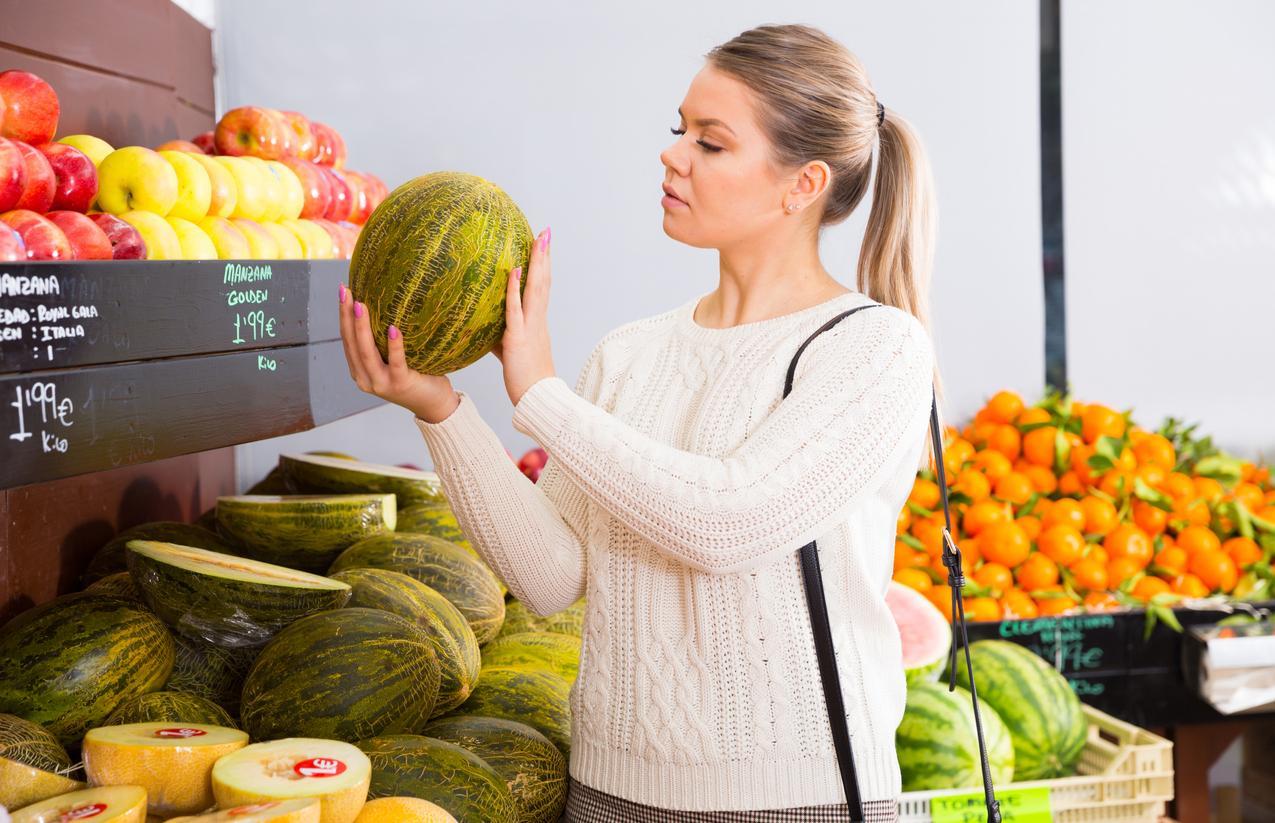
It is increasingly common to find melons already opened in the supermarket. They are often halved or quartered, especially if they are very large. In these cases, you will be able to see and touch the pulp (as long as it is covered in plastic wrap).
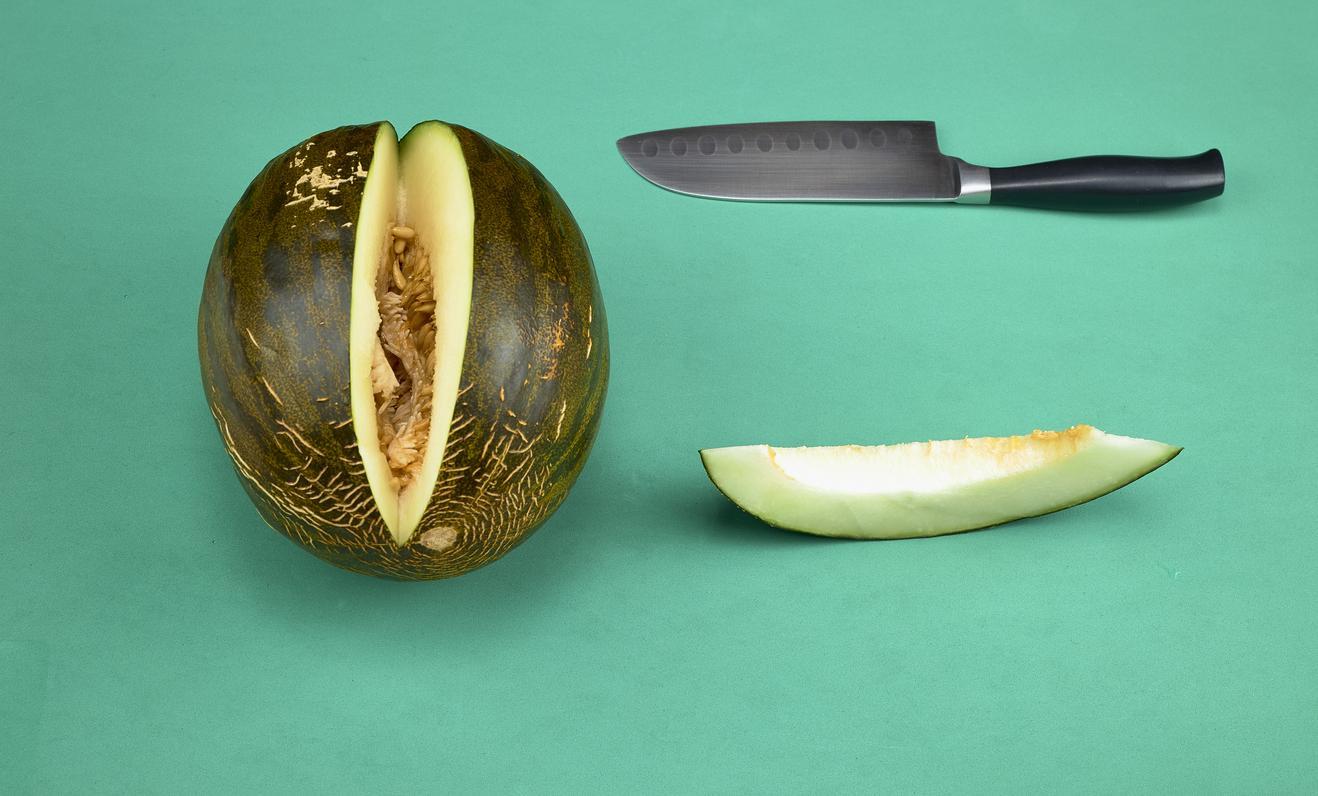
Note that this pulp has the necessary firmness and that its color remains quite the same throughout the piece of fruit. The middle may be a little green, but it will be whiter once we get to the rind. Check that the seed area is juicy and without dry threads that indicate that the melon may have been exposed for longer than recommended. In this case, the melon is overripe and may not taste as good.
Similarly, the pulp's texture should feel firm yet slightly yielding, indicating optimal ripeness. A dry or excessively soft texture might suggest that the melon is past its prime.
If you want to read similar articles to How to Tell If a Santa Claus Melon Is Ripe, we recommend you visit our Food & drink category.