The Best Type of Vinegar for Salads


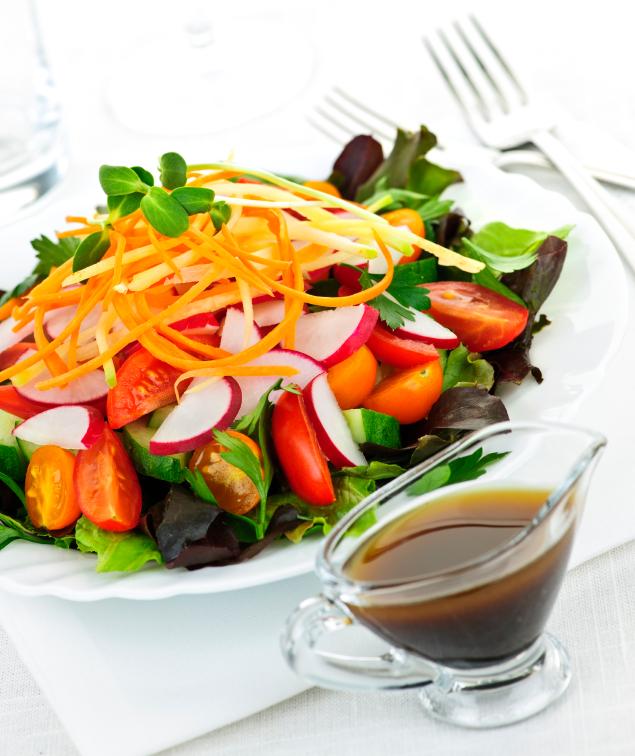
Salads are a quick and easy way to prepare a nutritious and light meal that can be made with fresh ingredients and no cooking. To make salads tasty and delicious, it is important to serve them along with a dressing or vinaigrette. Oil and vinegar, along with some salt and pepper, can make up for a simple yet bright salad dressing depending on the type of vinegar that is used. Vinegars add acidity, sweetness, and character to otherwise bland salads.
In this OneHowTo article, we share several recommendations on the best type of vinegar for salads.
Balsamic Vinegar
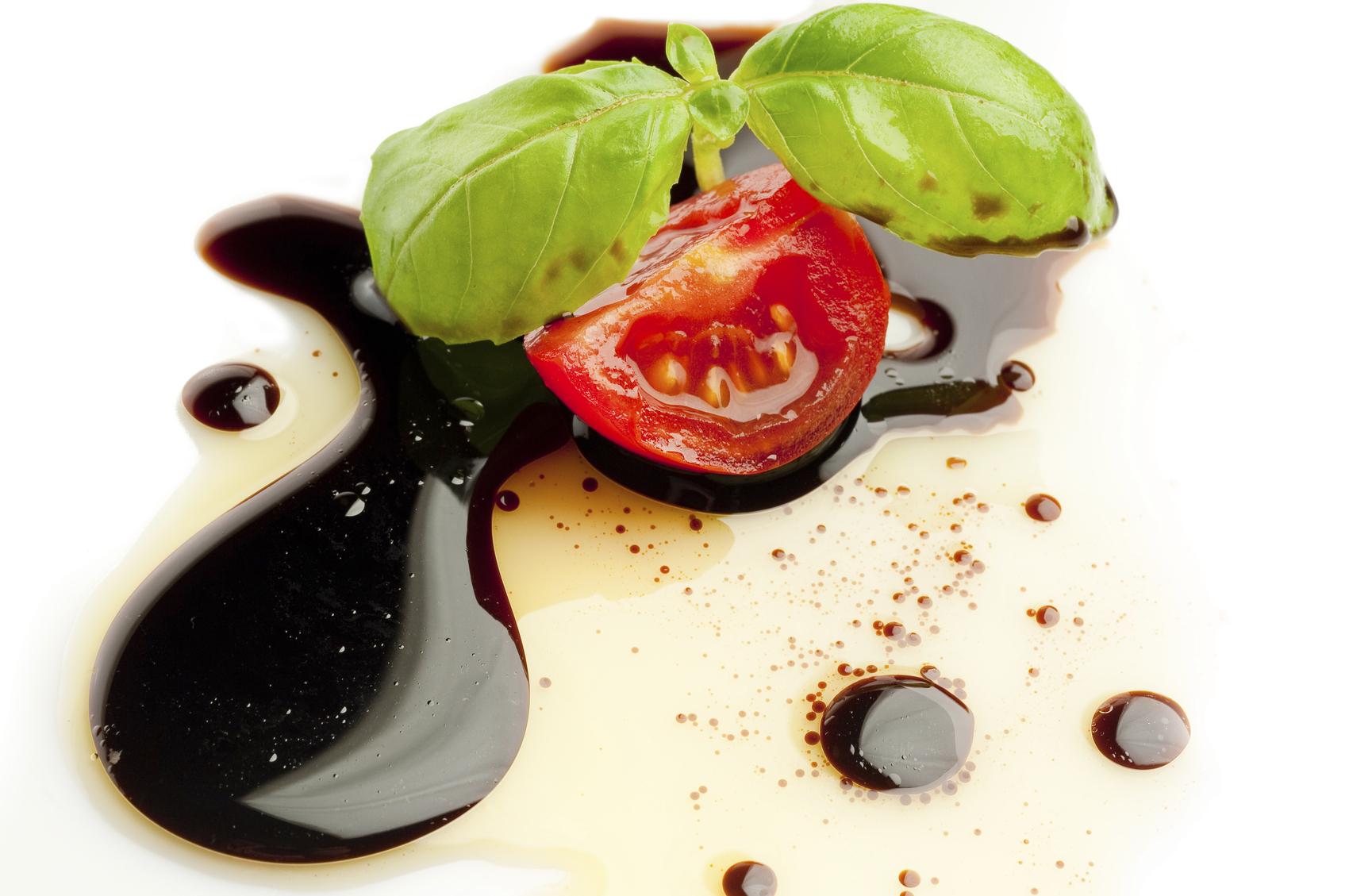
One of the most popular salad vinegars is balsamic vinegar. It is highly distinctive for being thicker and denser in texture as well as darker in color. It is considered the king of all vinegars and one that is only officially produced in Italy.
It’s complex fermentation process, which can take up to 12 years, gives it a sweet, aromatic, and nutty flavor that is best enjoyed in its uncooked form. Many Italian dishes are usually served with a drizzle of balsamic vinegar along with some extra virgin olive oil.
If you are cooking some of your proteins to add to your salad, refrain from adding balsamic vinegar until after the cooking process is done and the proteins have lightly cooled down. Cooking with this vinegar will affect the final taste.
Additionally, balsamic vinegar pairs beautifully with roasted vegetables and fresh berries, adding a touch of sophistication to your salad creations.

Apple Cider Vinegar
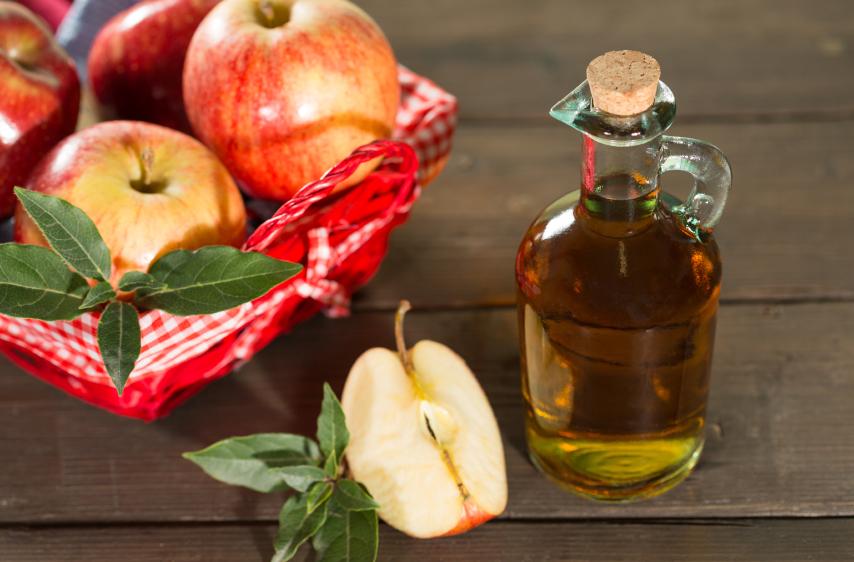
Over the past few years, apple cider vinegar has become one of the most versatile vinegars, appraised for its numerous health benefits to the body. It is said to be helpful for regulating digestion, battling some mild diseases, and providing a quick energy boost.
This vinegar is made from crushing apples before allowing them to ferment with the help of bacteria and yeast. Unpasteurized varieties that remain cloudy and amber-colored are recommended.
This vinegar is ideal for dressing slaws, making light dressings with egg bases, and for sweet vinaigrettes made with added honey. Since it is made from fermented apples, it tends to blend well in salads that have a fruit or a nut component.
Furthermore, apple cider vinegar can be infused with herbs like rosemary or thyme to create a more complex flavor profile, making your salads even more enticing.

White Wine Vinegar
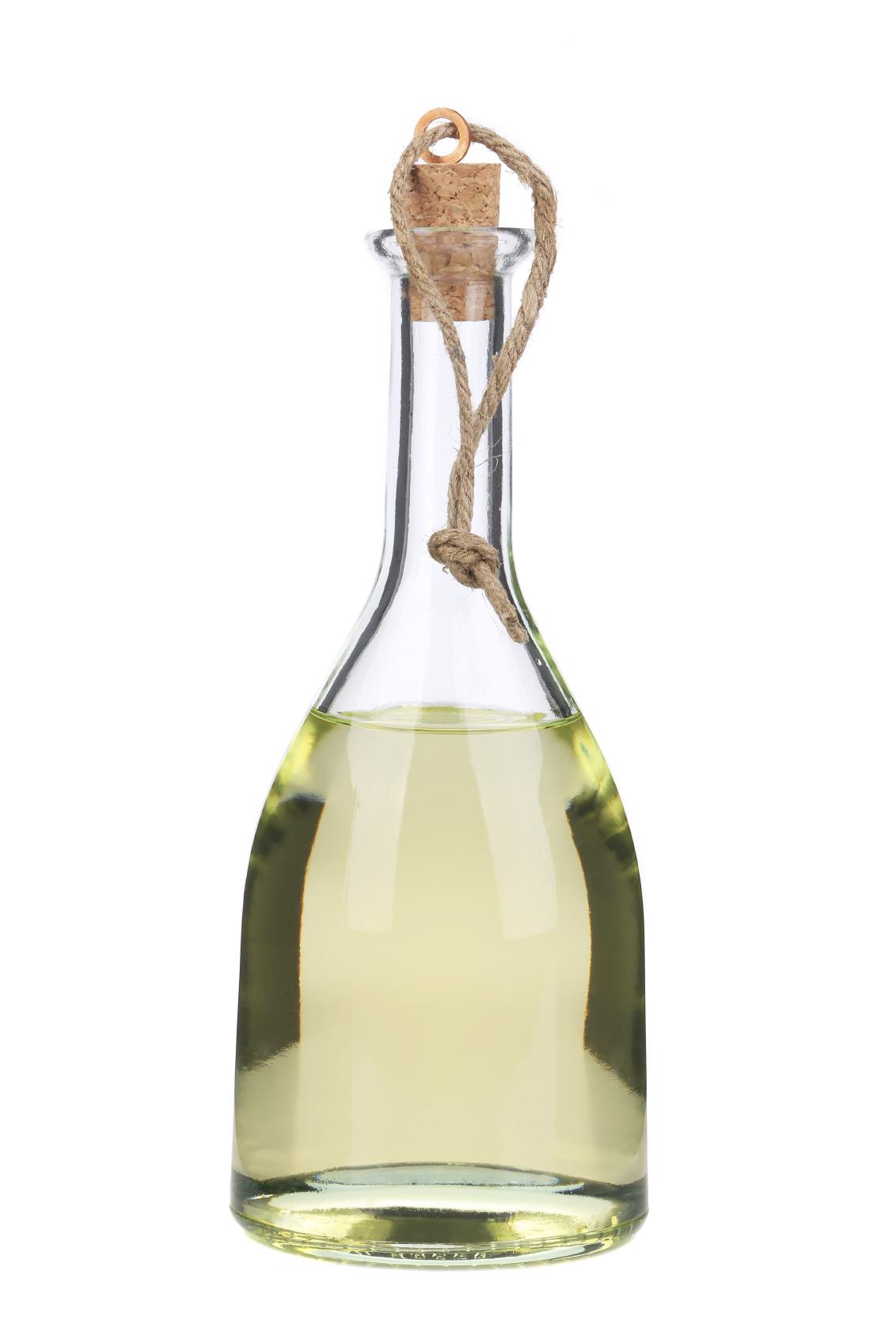
If you find it hard to buy some of the gourmet vinegars or just don’t want vinegar to overpower your salads, white wine vinegar is your best choice. When you only want to add a nice acidic touch to your meals, you can go by with this neutral fermented white grape wine vinegar.
Nonetheless, since this vinegar doesn’t tend to convey strong aromas and it doesn't carry strong flavors, it is an excellent choice to pair up with other more pronounced dressing ingredients. For instance, you can add some crushed garlic, red pepper flakes, or mustard seeds to your dressing or vinaigrette.
In this regard, white wine vinegar is also a great base for experimenting with citrus zests or berry reductions, which can provide a refreshing twist to your salad dressings.

Lemon Juice
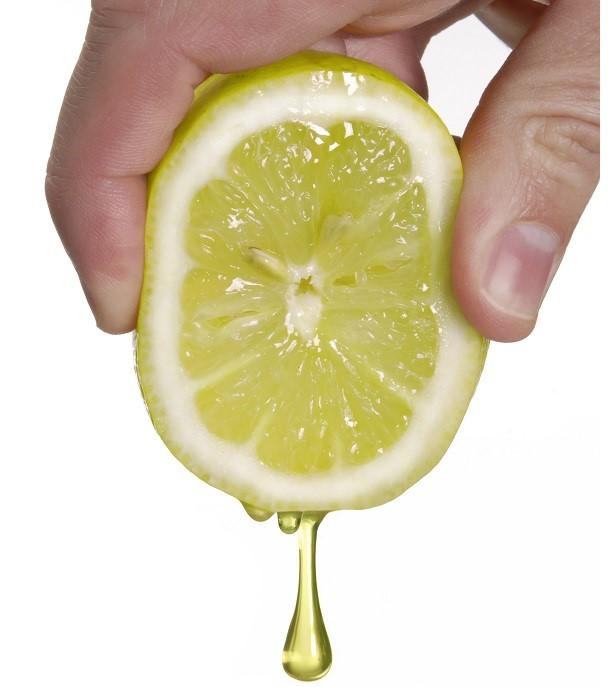
Our final recommendation is to use lemon juice as a natural alternative. Lemon is one of the most acidic fruits and thus often brings a high level of acidity to many dishes. Squeezing half a lemon juice on top of your salad along with some high-quality oil and some herbs can make up for an equally delicious and satisfying salad dressing.
Moreover, lemon juice is particularly effective in brightening up the flavors of Mediterranean and Middle Eastern-inspired salads, making it a versatile choice for those seeking a zesty kick.

If you want to read similar articles to The Best Type of Vinegar for Salads, we recommend you visit our Recipes category.
- Simple Vinaigrette Salad Dressing (Utah State University Extension)
- Halal and Kosher Dining Options (UC Davis Student Housing and Dining Services)