What is the Origin of the Daiquiri?

One of the most refreshing and popular alcoholic cocktails is the Daiquiri. While there was at one time a simple sweet and sour rum-based cocktail flavored with lime, the flavors and ingredients have diversified over the years. While there will only be one classic Daiquiri cocktail, we can see many different variations in terms of ingredients and even methods. To understand more about the history of the Daiquiri and its etymology, oneHOWTO asks what is the origin of the Daiquiri?
You'll need:
- 5 parts white rum
- 1 part lemon juice
- 1 part sugar
- Ice cubes to taste
- 1 cocktail shaker
What is a daiquiri?
There is an almost infinite range of cocktails made from rum, so why is the Daiquiri so special? This often colorful cocktail was originally made to a classic recipe using white rum, sugar, and fresh lime juice. While we most commonly see it poured into a cocktail glass, it was originally poured into a highball glass, similar to what we expect a mojito to be prepared in.
Whatever glass we use, a Daiquiri's essential ingredients are rum and fruit juice. While white rum is most traditionally used, golden rums are used. Dark rum is very rarely used, but could work in a pinch. It was originally made in the glass, with the ingredients poured over ice. However, the cocktail shaker was soon seen as a more preferable tool for making a Daiquiri.
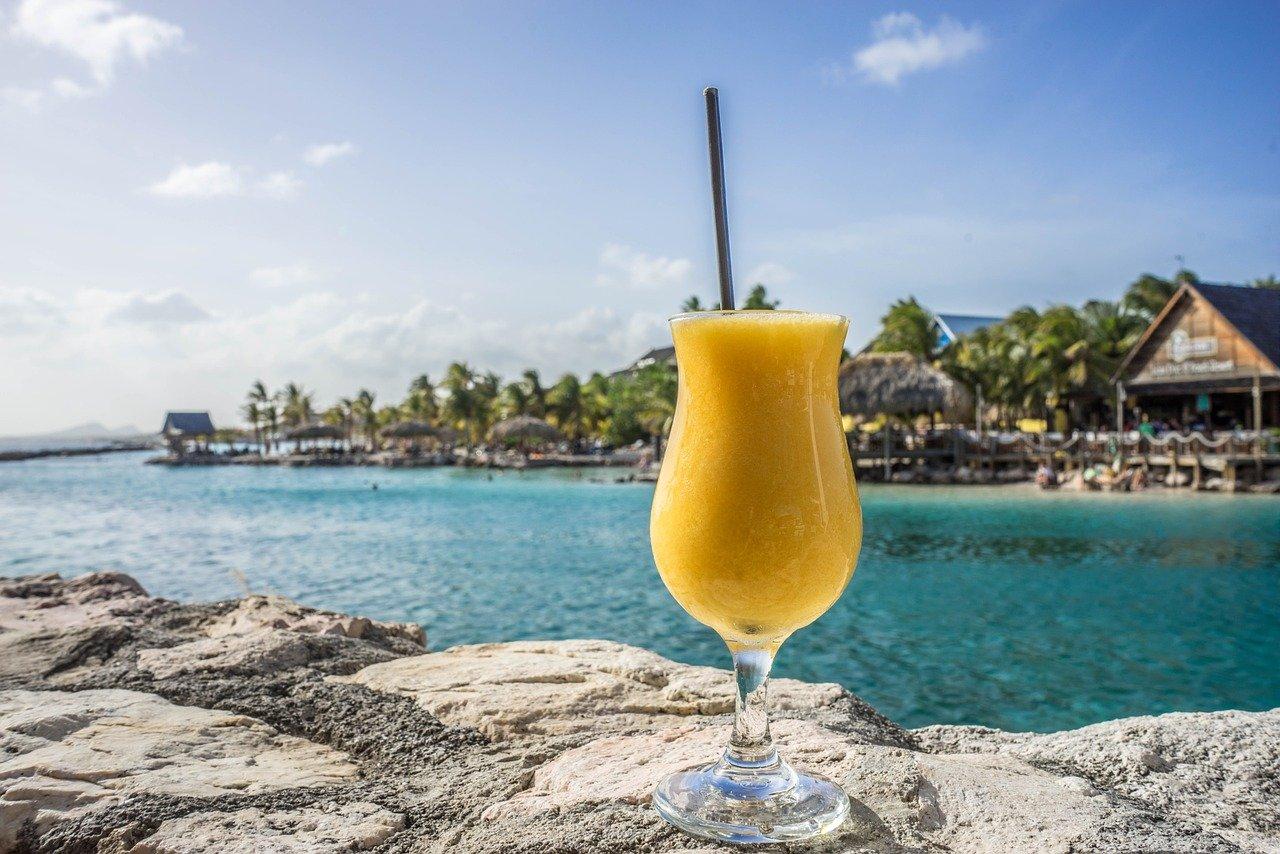
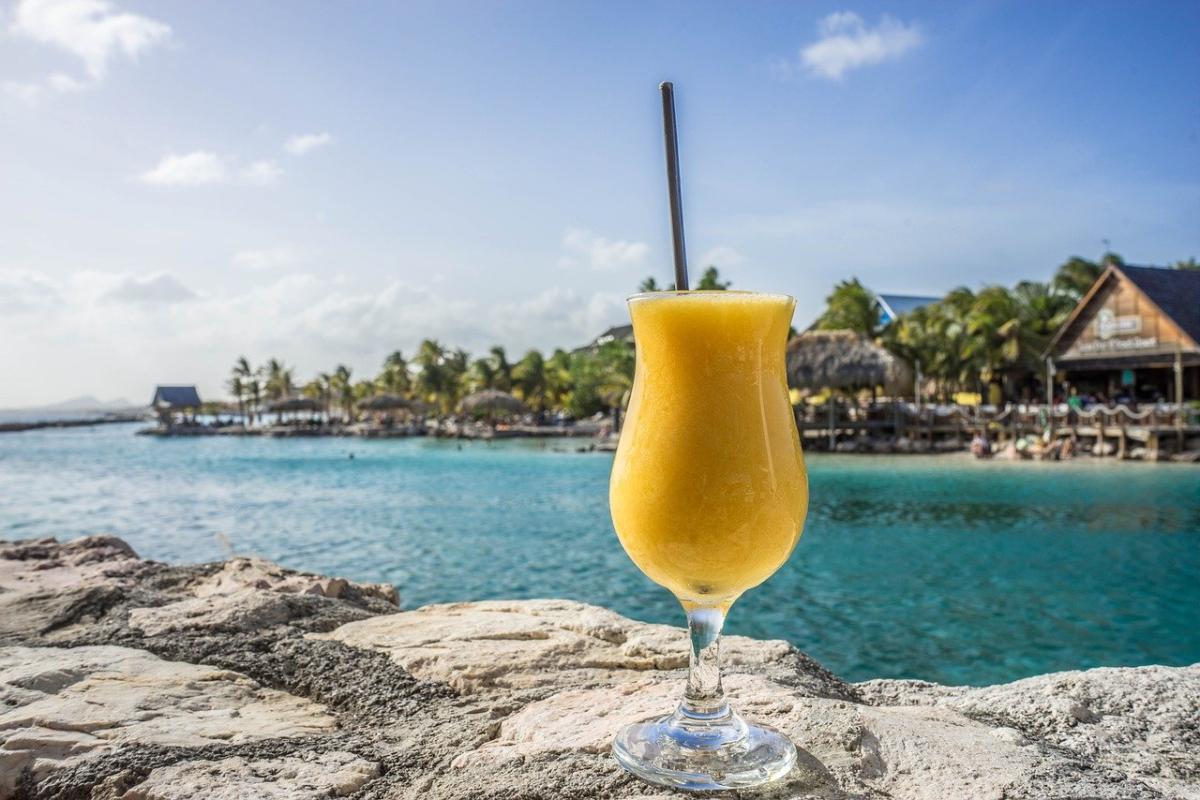
Frozen Daiquiris evolved from the original recipe. This is a version where the ingredients are blended together with ice to create a drink which is similar to a non-alcoholic slushy. Because it is made in a blender, a frozen daiquiri is a great drink to have with other fruits such as berries, mango, or banana.
Moreover, the versatility of the Daiquiri makes it a favorite at various social gatherings. Its ability to be customized with different fruits and flavors allows for creativity and personalization, making each Daiquiri experience unique.
History of the Daiquiri cocktail
The Daiquiri has its origins in the sunny beaches of Cuba. In Santiago de Cuba, to be exact. This is why it is classically prepared with Cuban rum. In the vicinity of Santiago de Cuba, there was a small village named Daiquirí, its main function being an iron mine which operated at the end of the 19th Century and the beginning of the 20th Century.
Due to this iron mine, American interest in the region grew. Engineers were sent out to live and work mining the iron ore. One of these engineers was a man named Jennings Cox. He has become known as the father of the Daiquiri. Although he preferred gin cocktails, gin supplies in Cuba at the time were scarce, but rum was in abundance. In 1900, Cox was in his local watering hole. The gin ran out, so he made a drink with white rum, lime juice, and fine sugar, the latter ingredient used to take the acidic edge off. Thus, the Daiquiri was born.
The popularity of the Daiquiri spread quickly among the miners, but it isn't believed to have traveled until 1902. It is at this point that William A. Chanler purchased the Santiago mines and discovered the drink for himself. It is thought that he brought it back to New York where he helped make it popular, but it is also likely many miners would have done the same when they returned, perhaps with less pomp.
On the other hand, the Daiquiri's rise to fame was also facilitated by its easy adaptation to various tastes and preferences. As people began to experiment with the cocktail's ingredients, the drink's appeal broadened, reaching new audiences who appreciated its refreshing qualities.
When was the frozen Daiquiri invented?
Although the Daiquiri had been popularized at the beginning of the 20th Century, it wasn't until 1952 that the first recipe for the frozen Daiquiri was recorded. A book of electric blender recipes was brought out in this year which contained this recipe. It most likely was invented some time before, but the growth of home refrigeration and appliances such as the blender needed to happen before they could be commonly used in homes.
Daiquiri etymology
The etymology of the Daiquiri is simple. Although they may not have given it a name when first drinking it, the cocktail soon became known as the Daiquiri thanks to the town in which it was born.
It should be noted that the naming not only honors its Cuban roots but also helps preserve the cultural significance of the region where it originated. This connection between the cocktail and its birthplace highlights the importance of geography in the development of culinary traditions.
Fame and popularity of the Daiquiri
Although it started to grow in popularity, this drink would gain fame until some years later. In 1909, Admiral Lucius W. Johnson, who had tasted the drink in Cuba, took it to the Army and Navy Club in Washington city. A few years later this combination was prepared at the Hotel Plaza in the city of Havana by the Spanish bartender Emilio González, who restored its original name Daikiri. It is said that there are more than 20 kinds of daiquiri cocktails around the world.
Similarly, the Daiquiri's international reputation was bolstered by its inclusion in numerous cocktail books and its adoption by bartenders worldwide. This global embrace of the Daiquiri contributed significantly to its status as a classic cocktail, celebrated for its simplicity and refreshing taste.
The Daiquiri and Ernest Hemingway
The famous American writer Ernest Hemingway makes mention of the daikiri cocktail in one of his novels, where he says that he was a regular at the bar called La Floridita. Here he drank and fraternized with locals and expatriates alike. Thanks to Hemingway, this combination acquired even more glamor and importance on an international level.
For example, Hemingway's fondness for the Daiquiri not only enhanced its allure but also cemented its place in literary and cultural history. His association with the cocktail added a layer of sophistication and intrigue, attracting enthusiasts who wanted to experience the drink favored by such an iconic figure.
If you want to read similar articles to What is the Origin of the Daiquiri?, we recommend you visit our Food & drink category.
Tips
- You can liquefy the preparation with ice, to achieve a whipped effect in a cocktail.
- You can add a few drops of maraschino to give it a more tropical flavor.
- There are many versions of daiquiris with fruits, such as pineapple, peach, strawberries, etc.