Which Foods Are Made Thanks to Fungi

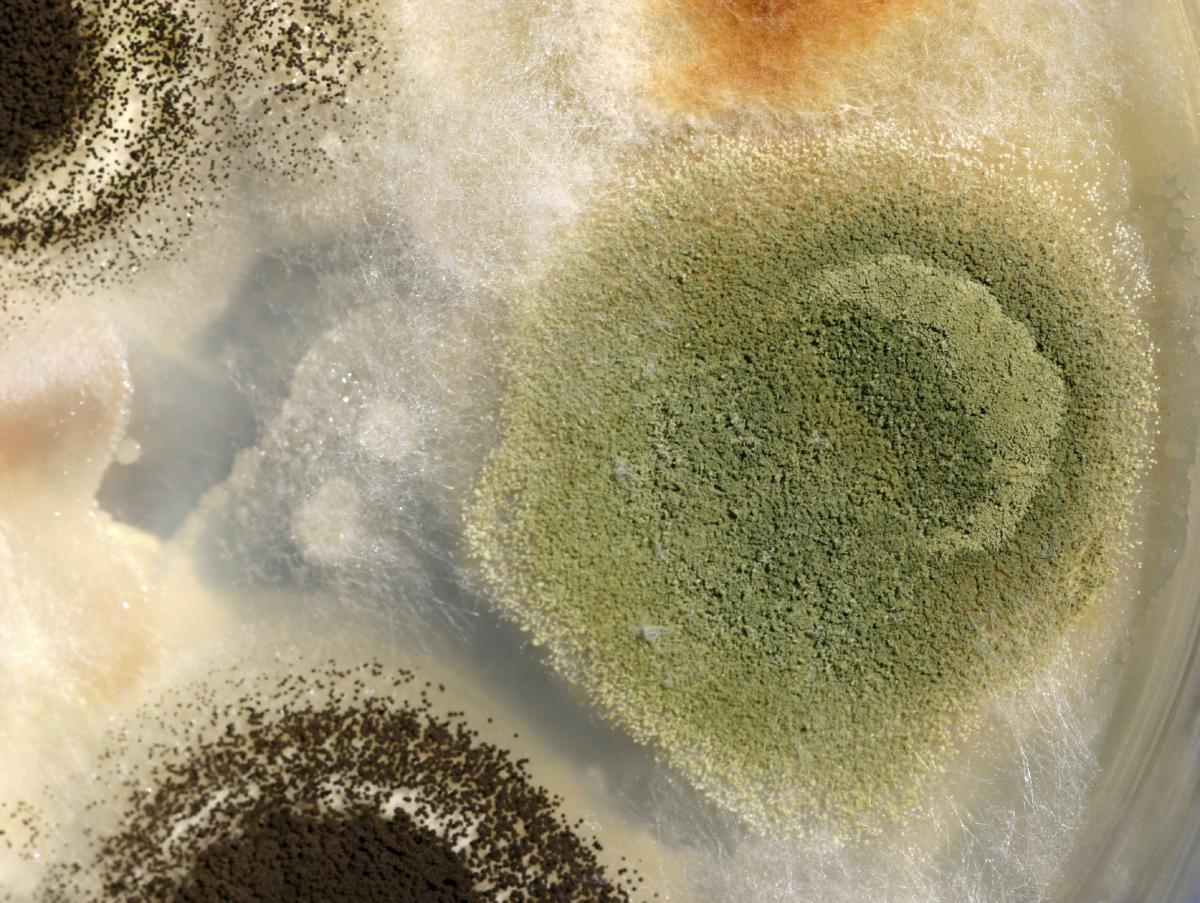
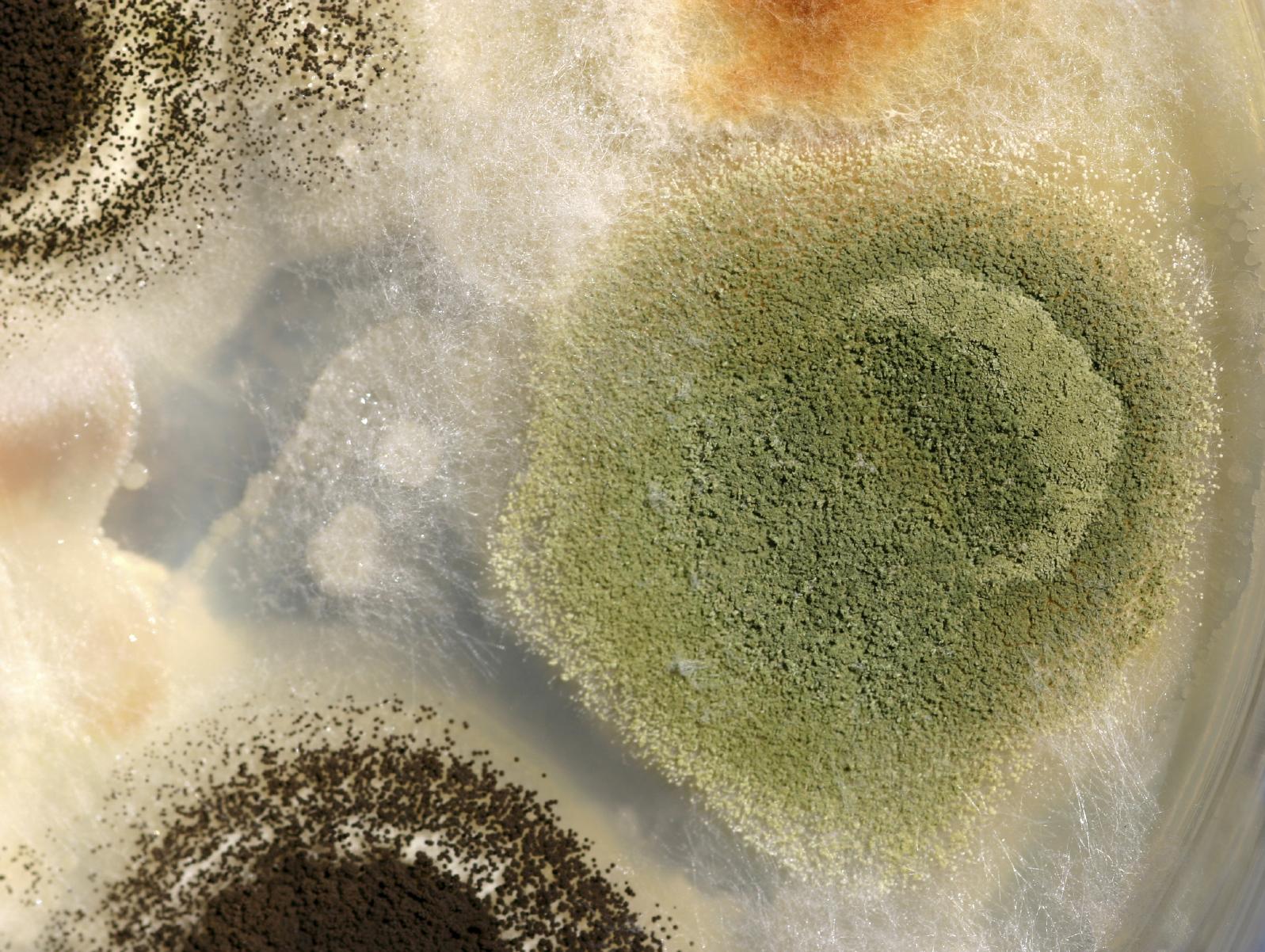
Fungi are eukaryotic organisms. Fungi like mushrooms are eaten as food. Some fungi are used to make some ingredients edible. Since the start of civilization when wines and breads were first made, fungi was used for food processing. Fungi are used to make some food products even today.
Following are the list of foods which are made thanks to fungi.
Leavened Bread
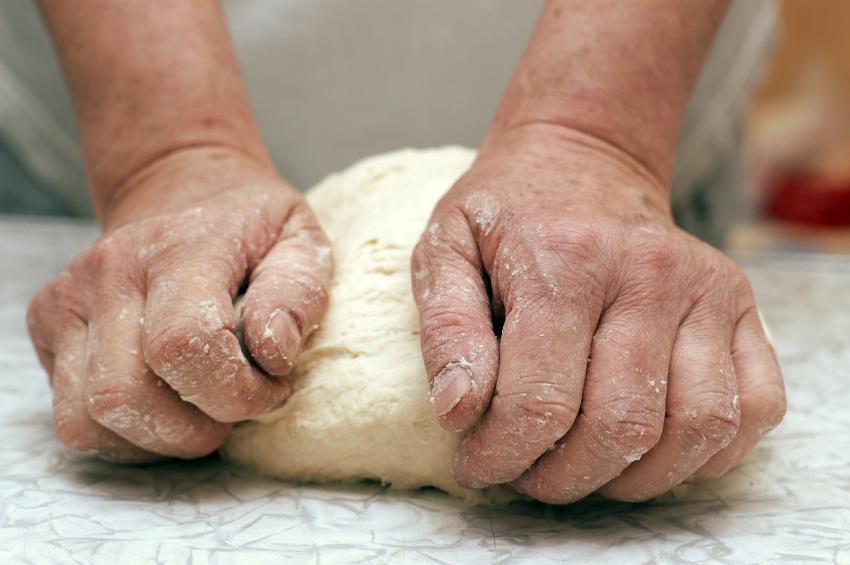
Leavened bread consists of yeast which helps in making bread rise. Leavened bread is softer than unleavened bread. When the yeast, Saccharomyces cerevisiae, is added to the dough made of flour, salt and water, the yeast ferments the sugars.
Due to the fermentation, sugar is converted into alcohol and bubbles of carbon dioxide. This gas becomes trapped in the sticky proteins of dough and makes the dough rise. The alcohol is converted into compounds when it is baked in the oven which gives the bread its flavor.
In addition to providing texture and flavor, the yeast fermentation process also enhances the nutritional value of bread. It increases the availability of certain nutrients such as B vitamins, which play a crucial role in energy production and brain function. Moreover, sourdough bread, which uses natural yeast, has been found to have a lower glycemic index, making it a favorable option for those managing blood sugar levels.

Soy Sauce
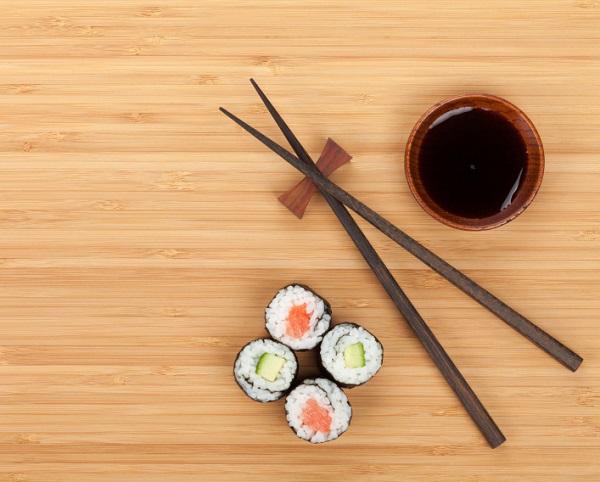
Soy sauce is another food that is made thanks to fungi and was produced in Japan for the first time. Soy sauce is dark brown in colour. It is salty in taste and is high in amino acids. It has a meat-like flavor. Soybeans are soaked and then cooked to remove contaminants. It is then mixed with roasted wheat. Then the fungus Aspergillus oryzae is added to it and then the mix is kept at 25 degree Celsius for 20 to 40 hours and kept aerobically.
The fungus inside the mixture produces amylases, invertases, and cellulases. They degrade the soy paste and then brine is added to the paste. Lactobacilli and yeast Saccharomyces rouxii are then added to it. When the mixture is kept for a month, a sour liquid forms. This liquid contains simple sugars, vitamins, and a large concentration of amino acids. The liquid is separated and again stored. Then it is sterilized, bottled, and sold in the market as soy sauce.
In this regard, soy sauce is not only a flavorful condiment but also a product rich in umami, the fifth basic taste, which enhances the overall taste profile of dishes. The fermentation process also contributes to the development of antioxidants, making soy sauce a potential source of health benefits, including the reduction of oxidative stress.

Cheese
Fungi helps to ripen cheese. It can either ripen the cheese from outside or impart flavors from inside the cheese. The impact of fungi on cheese is dependent on the temperature, salinity, water content, pH, and redox of the substrate.
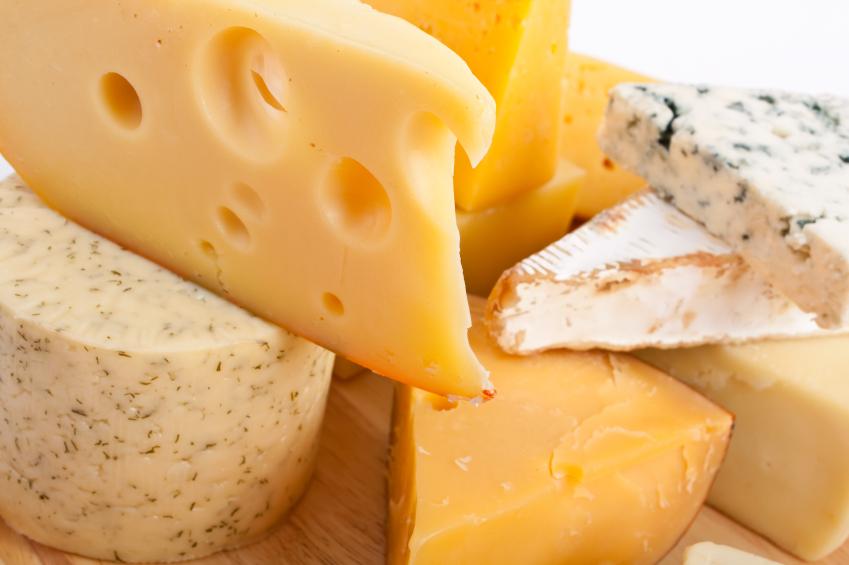
Soft ripened cheese like Brie, Neufchatel, and Camembert are ripened from outside using the fungi Penicillium camemberti. This helps in the formation of a flexible powdery white crust. They also impart the intense flavor and runny texture.
In addition to these well-known varieties, fungi play a crucial role in creating blue cheeses such as Roquefort, Gorgonzola, and Stilton. These cheeses are inoculated with Penicillium roqueforti, which grows within the cheese, creating characteristic blue veins and contributing to their strong, tangy flavor. The presence of fungi not only enhances taste but also contributes to the creamy texture of these cheeses, making them a delicacy worldwide.

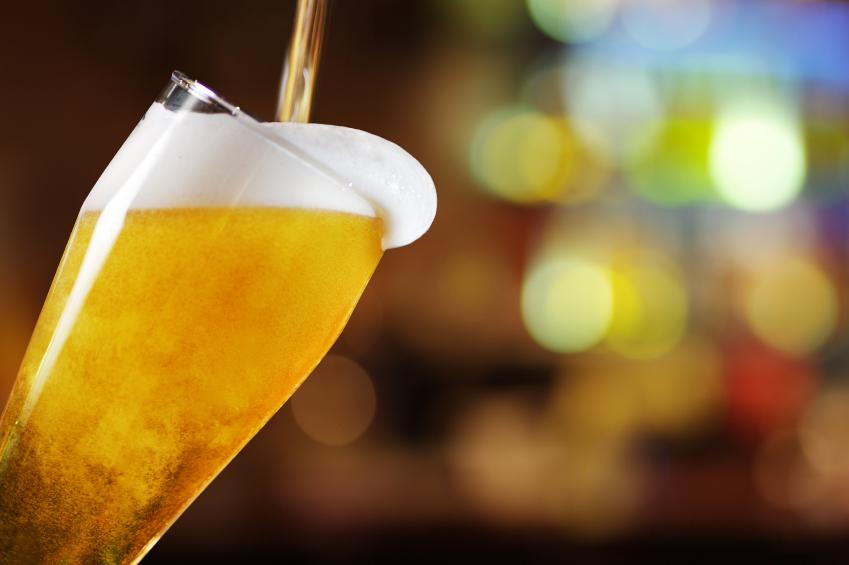
Beer
Beer is made from the fermentation of malt which is derived from germinated barley grains and other grains like corn, wheat, etc. This fermentation process is done by the fungi Saccharomyces cerevisiae.
- Lager: It is a beer that is made with yeast that settles on the bottom of the container used. Due to this settling of fungi and other material at the bottom of the container, the resultant beer is a clean beer.
- Ale: This beer is made from fungi that float on the top of brewing vats. Due to this, the beer becomes cloudier in appearance. It also has a larger alcohol content than lager.
Additionally, the distinct brewing processes not only provide variations in taste and appearance but also contribute to the cultural significance of beer across different regions. For example, the production of traditional Belgian ales, known for their complex flavors and aromas, involves spontaneous fermentation, where wild yeasts and bacteria from the environment are used, showcasing the diversity of fungi's role in beer making. This diversity reflects the rich history and artistry that goes into brewing, making beer not just a beverage but a cultural experience.

Wine
Wine is made from fermented fruit juice. Fruits like grapes, elderberry, peach, etc. are fermented by fungi which results in wine. Wine made from grapes uses the following process.
The grapes are at first crushed to release the juice. It is then transferred to the fermentation tank where the peels and stems are removed and pressed again. To make red wine, the skin is not removed while to get white wine, skin is removed. Then, strains of yeast are added and the first fermentation is done for 8 to 10 days. The second fermentation is done from 20 days to a month and then the sedimentation settles down. The wine is then transferred into tanks for aging.
Furthermore, the process of winemaking is deeply influenced by the choice of yeast strains, which can significantly alter the flavor profile and aroma of the final product. The fermentation process not only converts sugars into alcohol but also produces a range of compounds that contribute to the complexity of wine, including esters and phenolics. This intricate balance of flavors and aromas is what makes wine a beloved beverage worldwide, celebrated for its variety and sophistication in its many forms.

If you want to read similar articles to Which Foods Are Made Thanks to Fungi, we recommend you visit our Food & drink category.