How To Make Paneer With Vinegar

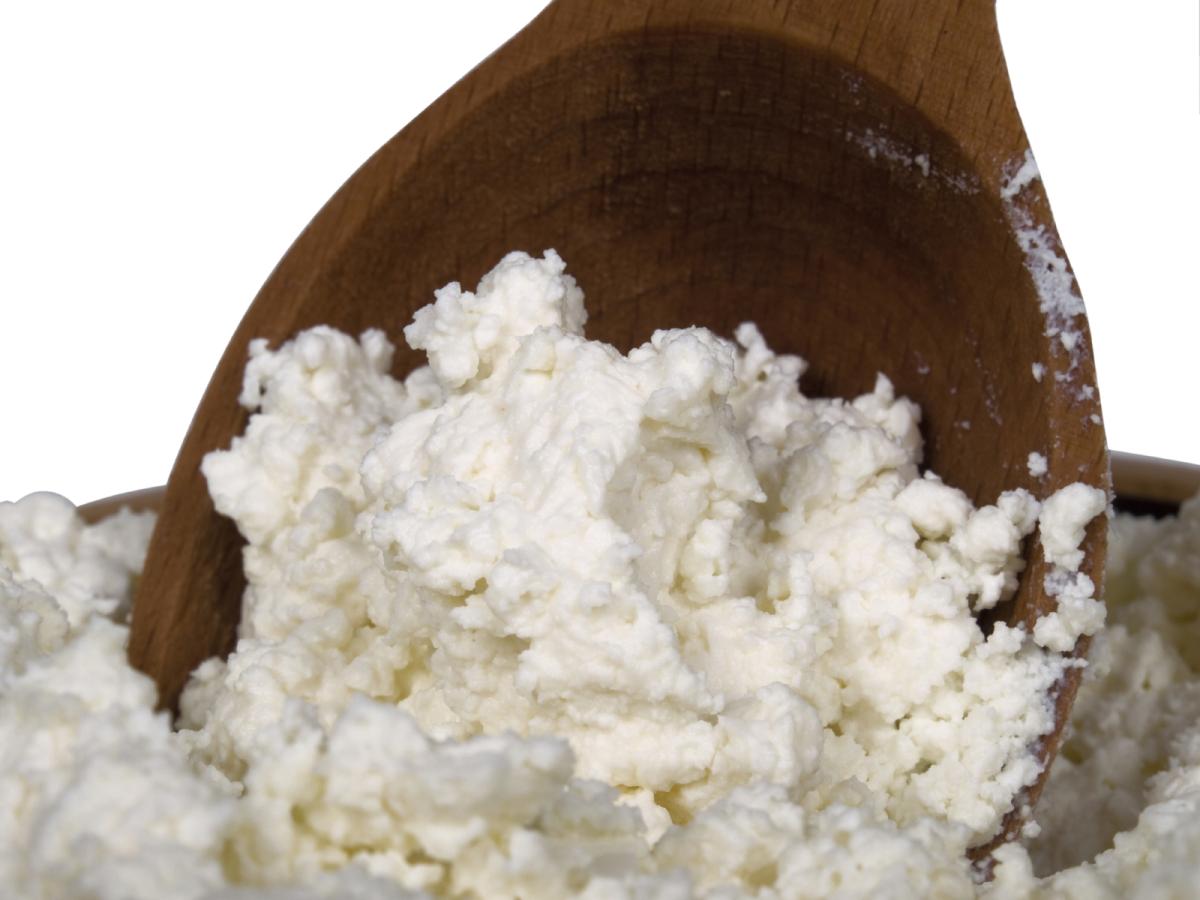
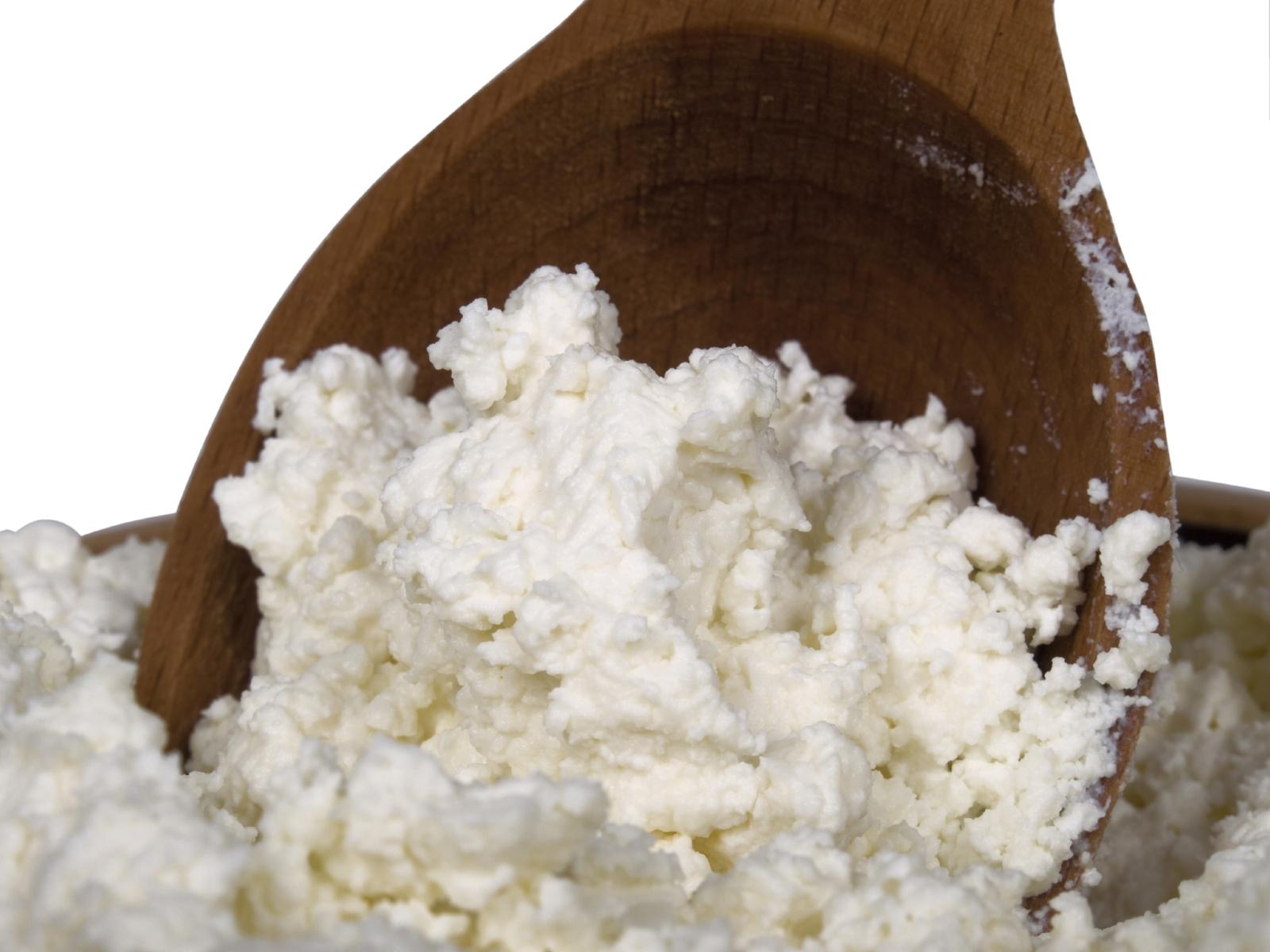
Paneer is Indian cottage cheese used in a number of curry and dry recipes. It is one of the most favored ingredients for vegetarian people in India. Made by curdling milk and removing the moisture, you can easily find paneer in any Indian supermarket or dairy shop. But if you want to make it on your own, you can make it by curdling milk and adding an acid to it, such as lemon juice or vinegar. Most people use lemon juice to curdle milk, but you can use vinegar in place of it too. This oneHOWTO article will tell you how to make paneer with vinegar.
Ingredients:
Steps to follow:
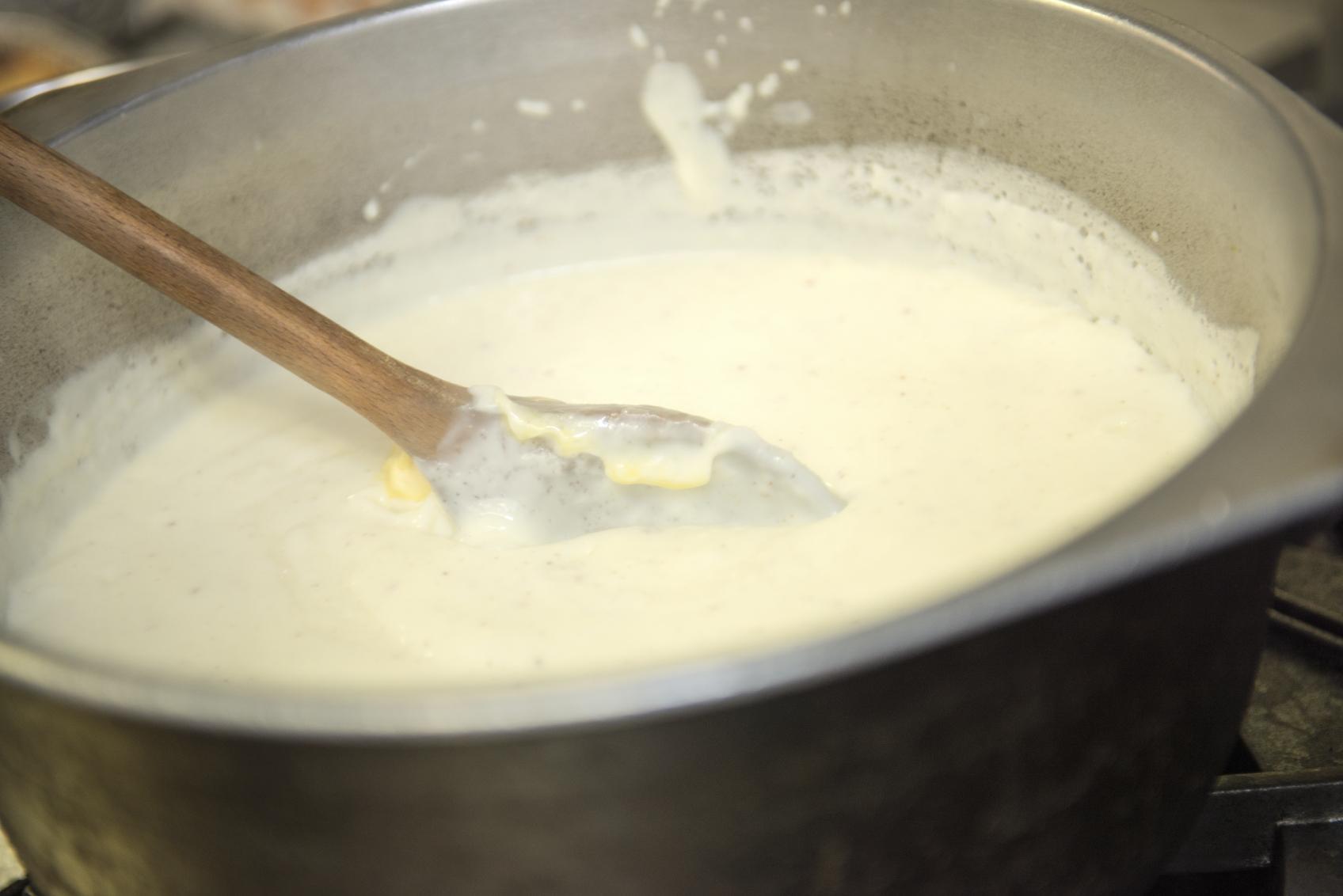
The first step to make paneer with vinegar is to pour the whole milk in a pan and turn on the heat. Turn it off just before the milk is coming to a boil. Make sure that it is not completely boiled, as it should be around 80˚ C (176 ˚F) of temperature.
If you don't have regular milk, you can learn how to make paneer with spoiled milk too. Additionally, using spoiled milk can be a sustainable way to reduce waste in your kitchen.

Pour the vinegar in a bowl, and pour one teaspoon of it into the milk. Stir the milk and see if it is curdling. If not, add another teaspoon of vinegar and stir again. Keep adding one teaspoon of vinegar and stirring it until you see the milk separating. You will see the solid curd separating from the watery green whey in the milk.
It should be noted that the acidity of the vinegar plays a crucial role in this process, as it helps in breaking down the milk proteins effectively, resulting in the formation of curds.
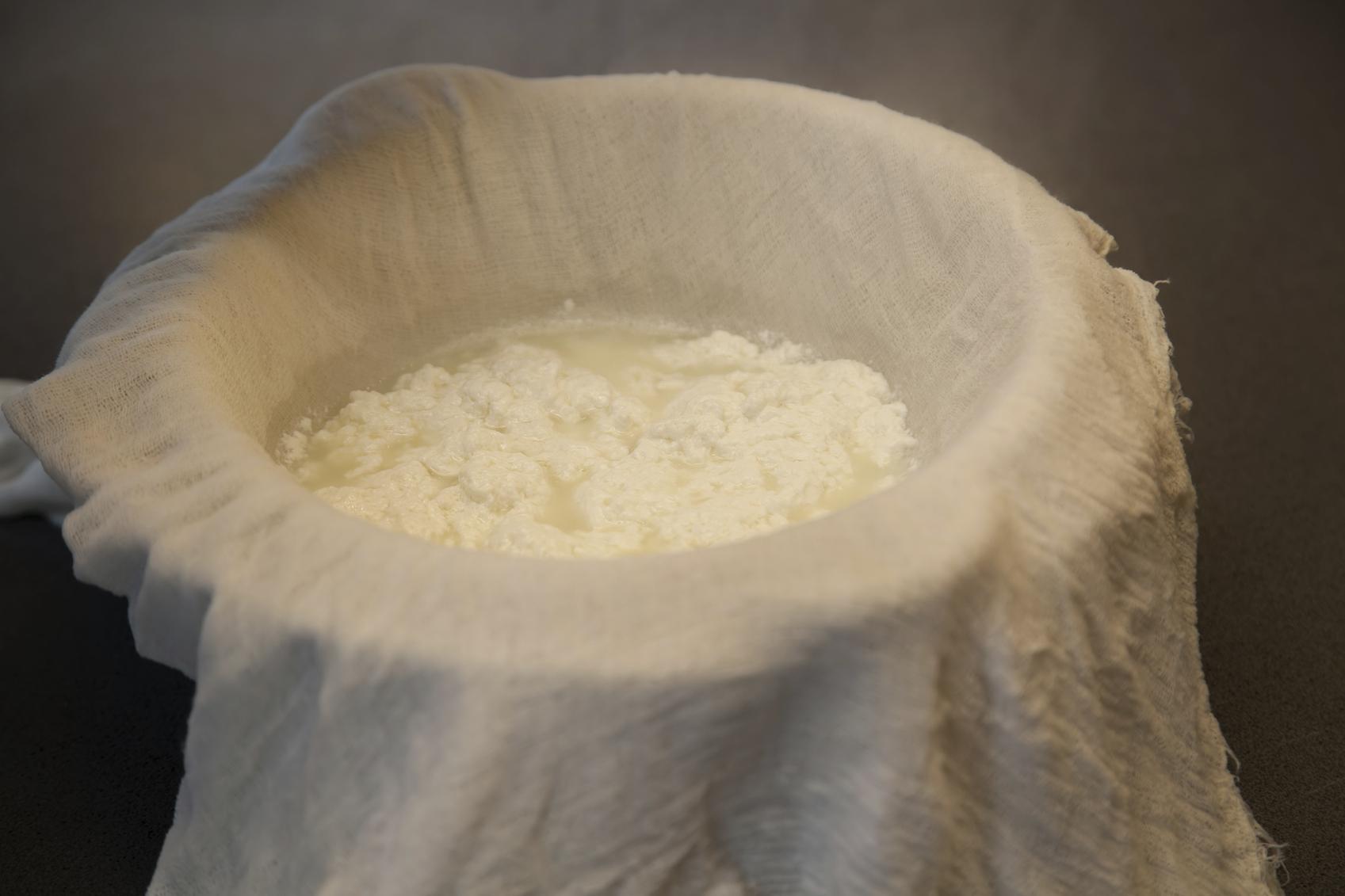
Allow this whey and the curds to cool down for around 30 minutes. When it has reached the temperature that you can easily handle, strain it through a muslin or cheese cloth into a strainer. You will get the curds in your strainer. Rinse it with fresh water to remove any smell of the vinegar.
For example, rinsing is essential as it helps in eliminating any residual vinegar taste, ensuring that your paneer has a neutral flavor suitable for a variety of dishes.

Wrap the muslin cloth around the curd in your hand and squeeze it to drain out the moisture. The stronger your squeeze, the firmer your paneer will become. So, how you squeeze it depends on the type of paneer you want in the end.
In this regard, if you prefer a softer paneer for recipes like paneer bhurji, apply gentle pressure, whereas for firmer paneer, used in grilling or frying, exert more force.
Use a knife or spoon to shape the paneer properly in a square or rectangle, make a block with it and tightly wrap it in a piece of cloth.
Similarly, shaping the paneer evenly ensures uniform cooking, especially when preparing dishes like paneer tikka where presentation and texture are key.
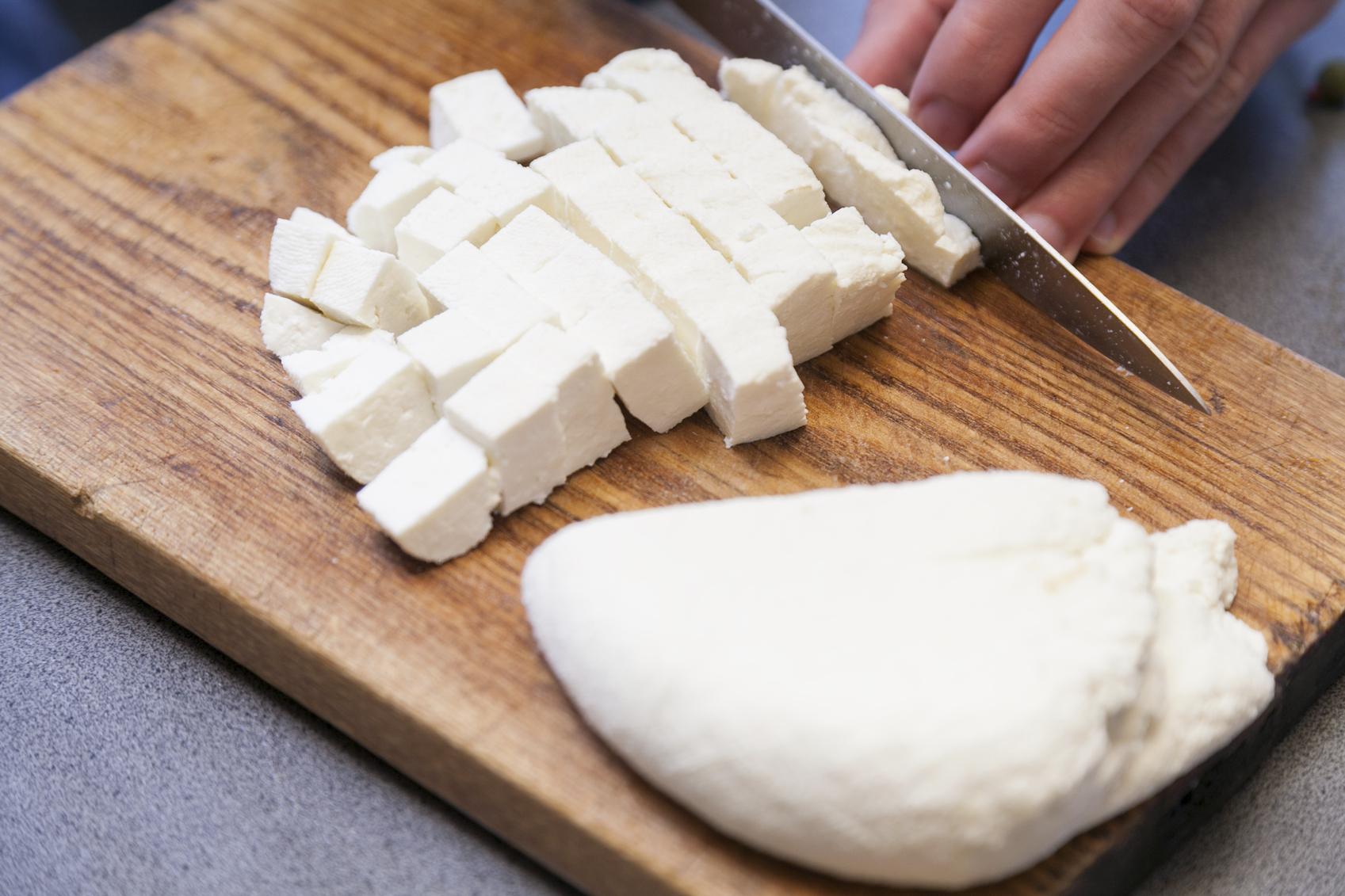
Place something heavy like a cutting board on top of your paneer. Doing this will make its surface flat, and also force out any remaining moisture in it. Once you get a firm block of paneer, you will be able to easily slice it with a knife and use it in your recipe. Otherwise, it will disintegrate even on a slight touch.
On the other hand, pressing the paneer adequately is crucial for recipes requiring paneer to hold its shape during cooking, such as in skewered dishes or stir-fries.

You can also get a block shaped paneer by tying a knot in the cloth with paneer and placing it in a box. Place something heavy on the cheesecloth to press it down and give the shape of the box to the paneer. The longer the paneer is pressed, the firmer it will get. Solid blocks of paneer are required for certain Indian dishes, such as shahi paneer, paneer tikka etc. Take a look at when to add paneer to curry for some great ideas. But you can keep it loose if you are making a recipe that does not require blocks of paneer, such as paneer bhurji and stuffed paneer naans.
For example, softer paneer works well in dishes like paneer paratha, enhancing the overall texture and flavor profile of the meal.
Once you have made the paneer, soak it in icy water for a couple of hours. You may skip this step, as it only aims at improving the texture and appearance of the paneer. You don’t need to be too concerned about its looks if you are going to use it in your household only. But if you are expecting a guest, improve its appearance with this step.
Don't know what to do with your leftover whey? Take a look at our article on how to use whey water after making paneer to make the most of it. Whey can be utilized in soups, smoothies, or even as a nutrient-rich base for bread-making, providing an excellent way to utilize every part of the milk you started with.
If you want to read similar articles to How To Make Paneer With Vinegar, we recommend you visit our Recipes category.